


Student math achievement in the United States is at a crossroads. Despite the tireless efforts of educators, students are not reaching the level of mathematical understanding that is needed for future success. The Nation’s Report Card paints a bleak picture of historically low middle school math scores, and only 1 in 5 12th graders meet proficiency benchmarks in the nation’s high school report card. The gaps between student groups have widened, with historically underserved learners experiencing the steepest declines.
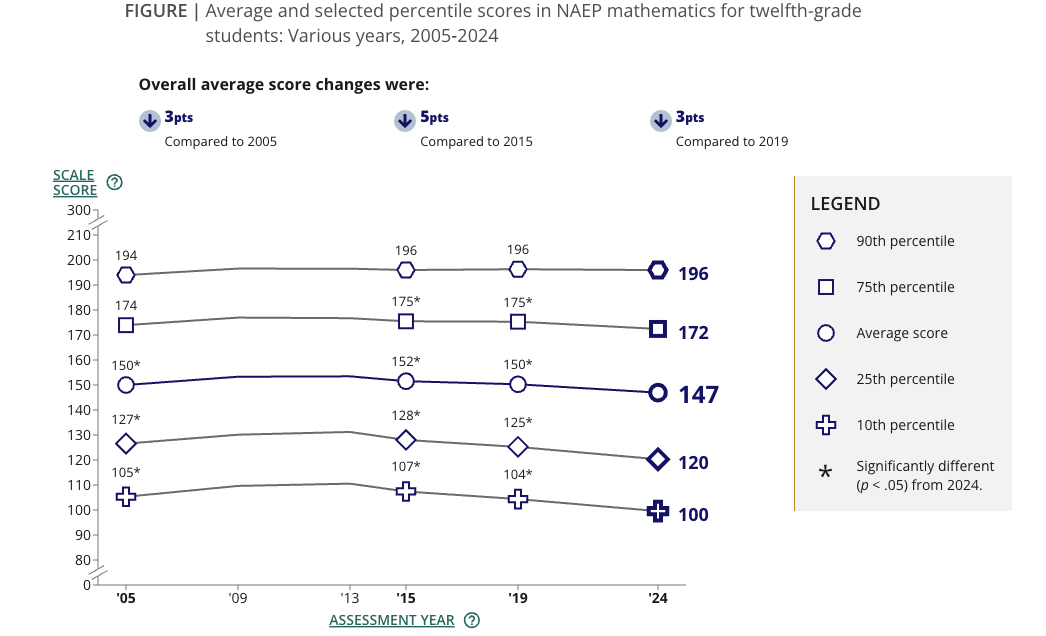 This is more than a temporary dip. It reflects a deeper challenge in how we support the people that are at the center of math learning every day: teachers.
Why Math Achievement Is Stalled
Rebuilding math achievement is not just about making up for lost time. It requires a significant instructional shift.
Teachers are being asked to
- balance procedural fluency and conceptual understanding,
- facilitate rich math discourse,
- support unfinished learning, and
- help students reason, justify, and persevere.
These are powerful shifts, but they’re also complex. Many teachers, through no fault of their own, have not been prepared to teach math in these ways.
The result? Teachers feel stretched, students feel disconnected, and achievement gaps widen.
Strategies That Improve Math Achievement
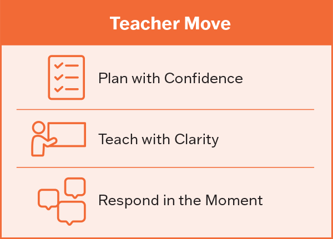 Research and classroom experience point to several practices that consistently support stronger math outcomes. Math achievement improves when teachers have access to guidance embedded in daily lessons, support for facilitating discourse, tools for maintaining cognitive demand, and models that make student thinking visible. These approaches strengthen student reasoning while building teacher confidence.
Why Traditional Math Professional Development Falls Short
Teachers don’t need more one-off workshops. They need professional learning that lives inside their teaching.
Traditional methods of professional development encourage new thinking, but follow-through can fade upon the return to a complex classroom. Teachers need support that directly aligns to the lesson they are planning today, the student question they faced this morning, or the misconception they saw on yesterday’s exit ticket.
That’s where embedded professional learning comes in.
What Embedded PD Looks Like
Eureka Math2 was designed to support both students and teachers.
In the Teach materials, you’ll find:
- Margin notes that explain the purpose behind tasks, flag potential misconceptions, and suggest prompts for discourse and reasoning
- Sample solutions illustrate multiple representations and strategies
- Planning supports that show how lessons build toward larger mathematical ideas
These supports transform the curriculum itself into a daily coaching tool. One teacher in the white paper described the shift:
Embedded professional learning removes guesswork. It gives teachers immediate tools for addressing student needs—without waiting for the next workshop.
The Path Forward
Teaching math today is complex, challenging, and deeply important work. The shifts educators are being asked to make represent a powerful step toward deeper, more meaningful learning, but teachers must be supported in the moment they need it.
When teachers receive real-time instructional support, classrooms change:
- Students talk more about math
- They justify their reasoning
- They engage more deeply with challenging tasks
- They build stronger conceptual understanding
- Confidence grows for learners and teachers alike
Embedded professional learning isn’t a replacement for live sessions—it’s the bridge that brings it into everyday teaching.
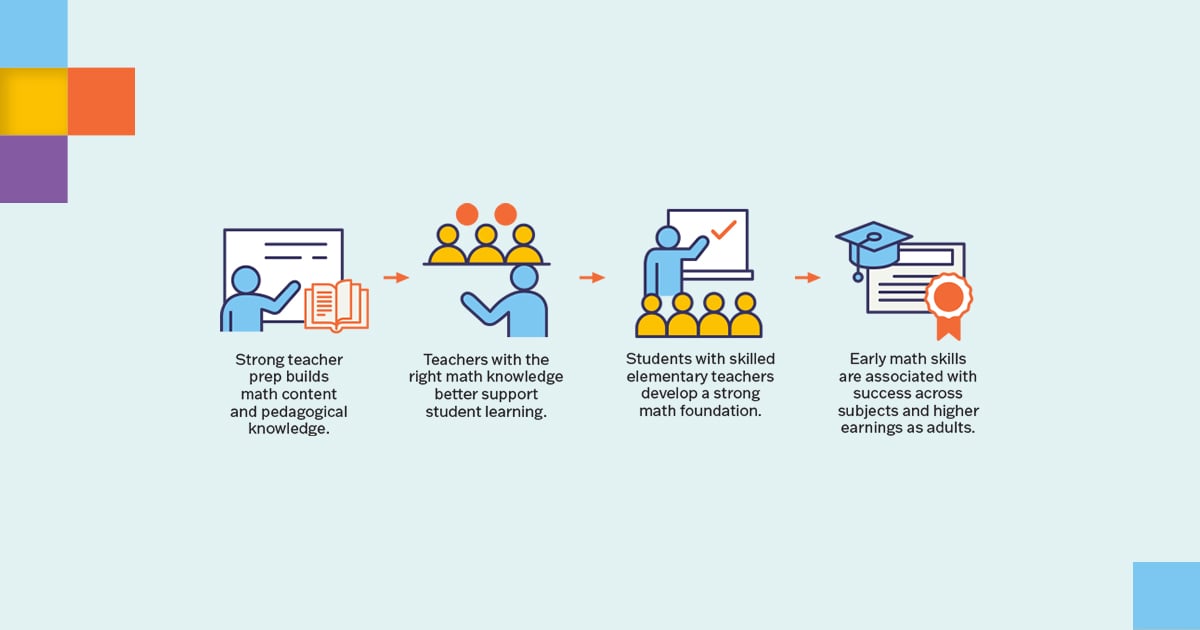 When teachers grow with every lesson, student learning grows too—and that is how we begin to make a change.
For a deeper look at the research, classroom stories, and practical steps behind embedded professional learning in Eureka Math², read the full white paper.

Great Minds
Great Minds PBC is a public benefit corporation. Teachers and content experts write Great Minds curricula, applying their experience to create materials that resonate with students, teachers, and families. Great Minds curricula include Arts & Letters™, Wit & Wisdom™, Eureka Math², PhD Science® and Geodes® books for developing readers.

Get the Latest Great Minds Updates
Stay informed of simple yet crucial implementation support tips, curriculum updates, new resources, professional development opportunities, and more for math, science, and ELA.
