


A lot happens in a math classroom. Students process new information, make sense of mathematical concepts, and connect ideas. But their attention can easily be pulled in different directions.
Teachers also juggle many things at once. They answer students’ questions, prepare materials, deliver lessons, and manage distractions.
That’s why routines are important. Consistent structures in the classroom help lighten the cognitive load for both teachers and students. This allows everyone to focus more fully on math.
Why Consistency and Routines Matter
The mental space where we store and process information is limited. This is our “working memory.” Learning suffers when working memory becomes overloaded. This can happen in the presence of too many new ideas, distractions, or when expectations are unclear. According to cognitive science, an overloaded working memory hinders our ability to move knowledge into long-term memory, where learning “sticks.”
Classroom routines help prevent this overload. When students know what to expect, their working memories can focus on math. The same applies to teachers. Consistent routines streamline planning, instruction, and classroom management, which creates space for more intentional teaching.
Four Ways Eureka Math2 Uses Consistent Routines
Eureka Math2 embeds intentional, high-impact routines into the curriculum. These routines strengthen instruction and increase student engagement.
1. Module and Lesson Overviews Show Teachers What’s Coming
Before diving into lessons, teachers benefit from knowing what lies ahead. Unit and module overviews connect today’s learning to what came before and what comes next.
By understanding a lesson’s flow, teachers can anticipate the content students will encounter. The overviews provide a roadmap for how each concept fits within the “big picture” in math.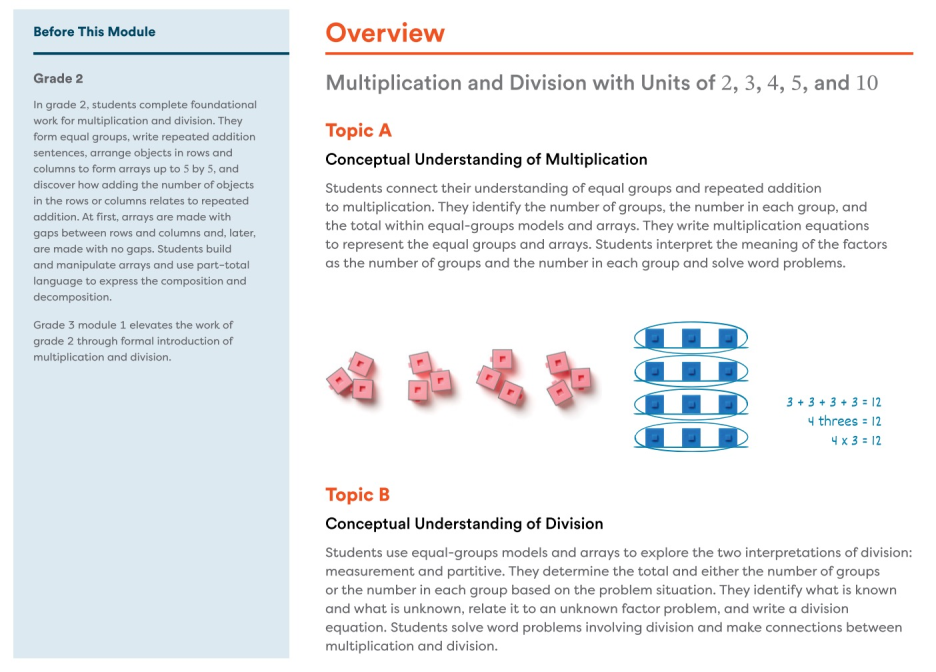
2. High-Leverage Models Help Students Make Connections
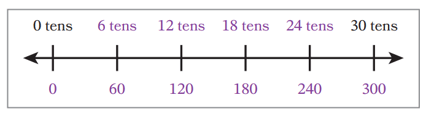
Throughout Eureka Math2, students encounter many visual models, including number bonds, tape diagrams, number lines, and area models. These are “high-leverage” models that are used strategically and consistently across grade levels as calculations become more complex. Each model provides a bridge between concrete and abstract understanding. This bridge helps students visualize relationships and develop deep, transferable reasoning.
When students recognize and reuse familiar models, their cognitive load decreases, allowing them to focus on new ideas and connections.
3. Purposeful Lesson Structure Keeps Teachers and Students Focused
Lesson structure is more than a classroom rhythm. It is a cognitive scaffold.
That is why each component of a Eureka Math2 lesson serves a purpose:
- Fluency: Builds automaticity with foundational skills so students can recall them effortlessly.
- Launch: Engages curiosity and primes working memory. Provides an accessible entry point and sets up productive struggle.
- Learn: The “heart” of the lesson, where new ideas are introduced and connected to prior learning.
- Land: Encourages metacognitive connection and helps students consolidate understanding into long-term memory.
This structure helps teachers and students avoid worrying about what comes next. Instead, they can focus on moving content into their long-term memory.
4. Mathematical Language and Problem-Solving Routines Strengthen Student Discourse
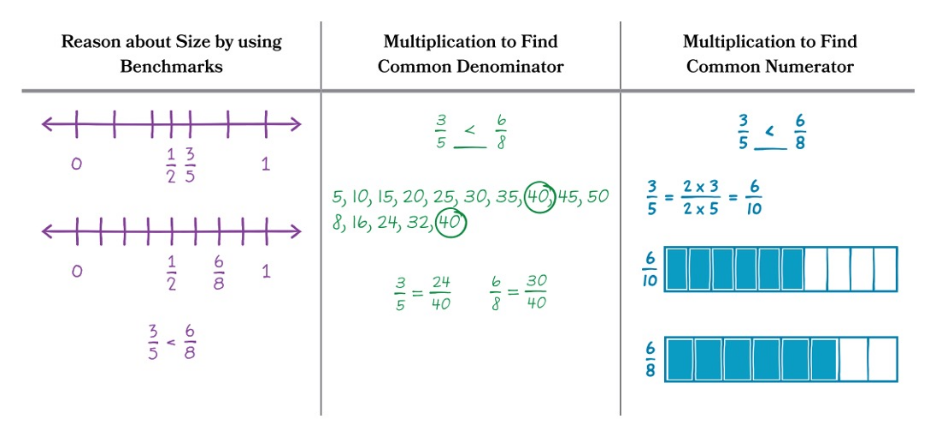
Communication and reasoning are crucial to learning math. That is why Eureka Math2 includes Mathematical Language Routines (MLRs). MLRs help students develop, use, and refine mathematical language. One example is the “Compare and Connect” routine in Grade 4, which asks students to look at different strategies and explain their thinking.
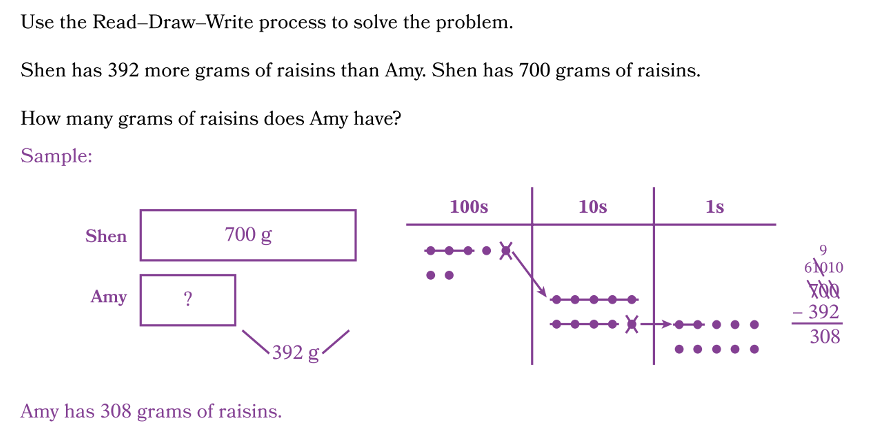
Problem-solving routines also guide students through a structured thinking process. Read–Draw–Write is an example in Grades K–5 as is Read–Represent–Solve–Summarize in Grades 6–8. These steps encourage persistence and independent thinking while reducing cognitive overload. They do so by giving students reliable and consistent methods to access problems.
Leaning Into Consistency and Next Steps
Building effective routines doesn’t mean a complete overhaul; it simply means making a commitment to consistency.
Start with one routine, such as a daily warm-up or a specific problem-solving process. Practice it every day until it becomes second nature. Over time, these routines become like muscle memory for both teachers and students.
Don’t worry about getting it perfect. The beauty of routines is their flexibility. As you learn more about your students’ needs, you can adjust and refine your approach. Use “just-in-time” routines for scaffolding when students struggle. You can also stretch routines to challenge students when they’re ready for more.
Conclusion
When classrooms run on consistent, thoughtful routines, cognitive load decreases and engagement increases. Students can focus on deep mathematical thinking instead of juggling many thoughts. Teachers can spend more time facilitating understanding and less time managing transitions.
Routines don’t just make classrooms run smoothly. They also make learning stick.
If you’re ready to explore how consistent routines can strengthen math instruction, we invite you to go deeper.

Great Minds
Great Minds PBC is a public benefit corporation. Teachers and content experts write Great Minds curricula, applying their experience to create materials that resonate with students, teachers, and families. Great Minds curricula include Arts & Letters™, Wit & Wisdom™, Eureka Math², PhD Science® and Geodes® books for developing readers.
Topics: Eureka Math Squared Instructional Routines Instruction Student Learning

Get the Latest Great Minds Updates
Stay informed of simple yet crucial implementation support tips, curriculum updates, new resources, professional development opportunities, and more for math, science, and ELA.
