


Cognitively Guided Instruction (CGI) begins with a simple but powerful belief: students’ thinking matters, and instruction should be designed to elicit that thinking, make sense of it, and intentionally build from it. Rather than positioning mathematics as a series of procedures to be learned and replicated, CGI invites teachers to see classrooms as places where ideas are surfaced, refined, and connected over time. When instruction is grounded in how students reason, supported by visual models, consistent structures, and meaningful contexts—learning becomes more coherent, accessible, and enduring.
At the heart of CGI is an understanding of how the brain learns best. Cognitive science reminds us that learning often breaks down when working memory is overwhelmed. As Daniel Willingham explains, the human mind is not well equipped to handle new, complex information unless it can be connected to prior knowledge stored in long-term memory (Willingham, 2009). This has important implications for mathematics instruction. When lessons lack structure or rely too heavily on abstract reasoning too soon, students are forced to hold too much new information at once, leaving little room for sense making.
Predictable instructional routines, familiar representations, and shared models help alleviate this burden on working memory. In CGI classrooms, structure is not the enemy of creativity or discourse. Instead, it creates the conditions for what might look like organized chaos: classrooms where multiple strategies coexist, students explain and challenge one another’s thinking, and teachers listen closely for opportunities to advance understanding. Without these anchors, cognitive load increases and students are left trying to make sense of new ideas without a foundation to stand on.
Visual Models
CGI emphasizes the importance of visual models as a bridge between concrete or pictorial experiences and abstract reasoning. When students regularly encounter representations such as number lines, part–part–whole diagrams, arrays, or area models, they begin to see mathematics as a connected system rather than a collection of isolated skills. These models provide a visual and conceptual link to prior knowledge, allowing students to make sense of increasingly complex ideas without starting from scratch each time. 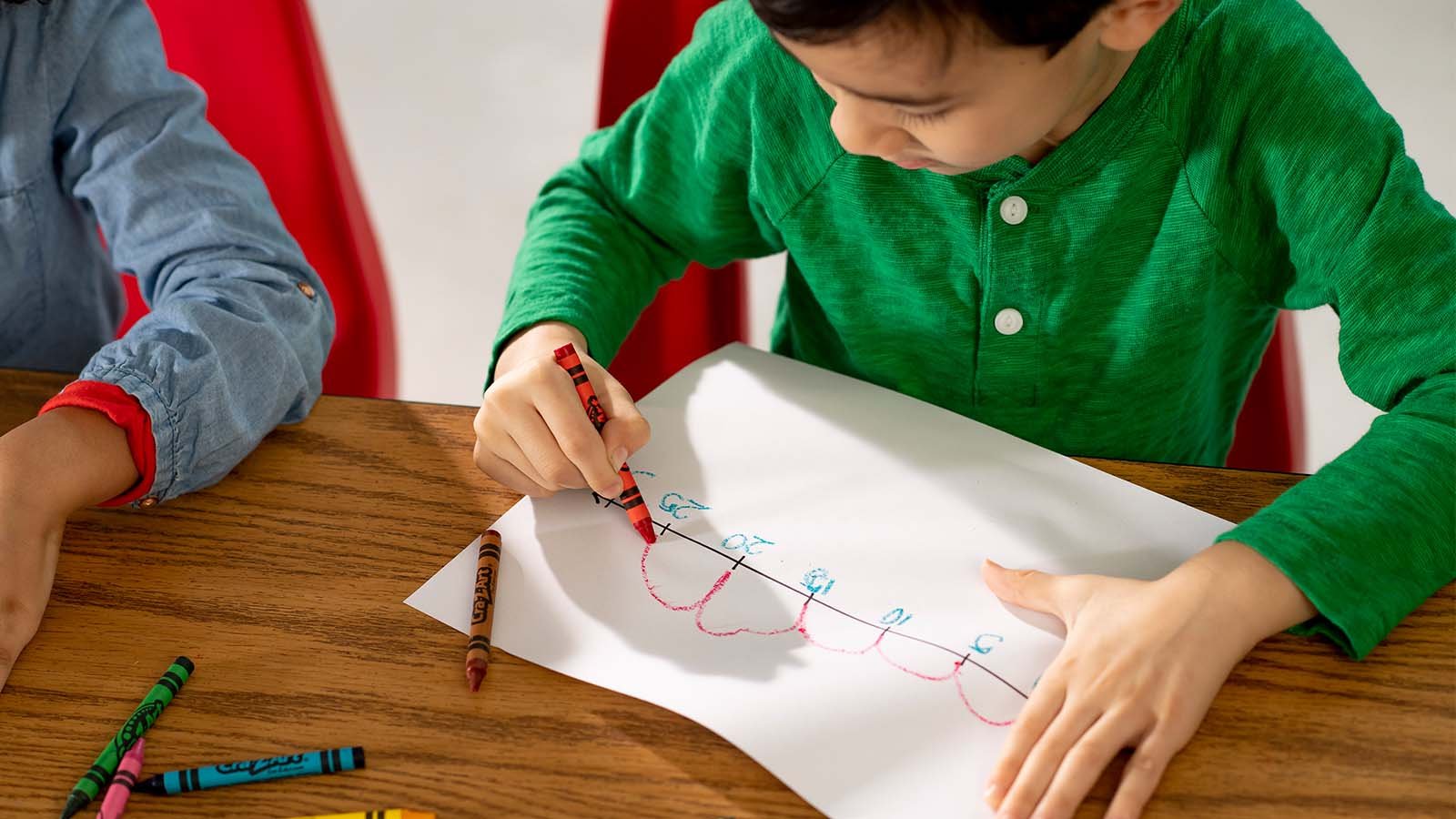
This coherence matters. Students construct knowledge most effectively when information is presented with coherence, contextual relevance, and opportunities for active engagement (Sawyer, 2008). Visual models support all three. They offer a consistent structure across lessons and grade levels, situate mathematics in recognizable patterns, and invite students to actively reason, represent, and explain their thinking. Vertical coherence (using the same underlying models from early elementary grades through middle school) positions students to engage with increasingly abstract mathematics without having to relearn how to think.
Engaging Learners
Equally important in CGI is the way lessons begin. Recruiting student interest at the start of a lesson is not a warm-up or an add-on; it is foundational to learning. Many students, particularly in upper elementary and secondary grades, enter math class carrying years of experiences that shape how they see themselves as math learners. Thoughtful lesson launches that use images, videos, or shared experiences (instead of students silently completing worksheet problems) create shared context and empower students to participate throughout the class.
When students are invited to notice, wonder, and make sense of a situation before being asked to solve a problem, they are positioned as capable thinkers from the very first minutes of instruction. These moments build contextual relevance while activating prior knowledge, helping students connect new learning to what they already know (Sawyer, 2008). In doing so, teachers reduce unnecessary cognitive load and create an entry point into the mathematics for all learners. I like to call this portion of the class period experience before label. This routine allows students to experience math through a concrete or virtual experience and label what is happening in their own words first. Teachers can lead a classroom discussion toward the specific definition by using the knowledge the students have gained through their hands-on experience. 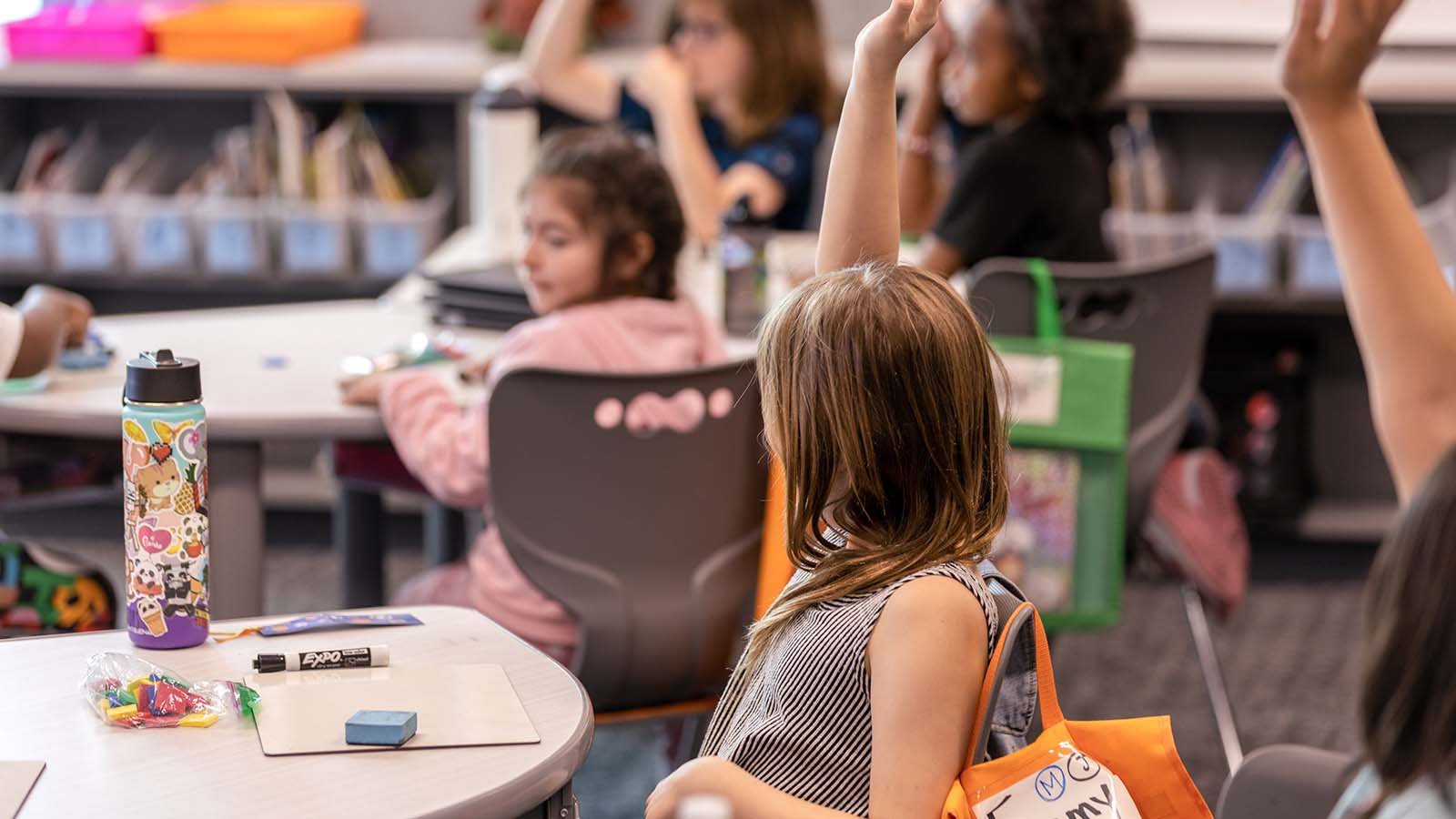
Leveraging Multiple Representations
As lessons progress, CGI classrooms prioritize exploration and representation before formalization. Students are encouraged to wrestle with mathematical ideas, try multiple strategies, and explain their reasoning by using models that make their thinking visible. Efficiency and formal methods, such as standard algorithms, are not dismissed; rather, they are introduced once students have developed a conceptual foundation to attach them to.
This sequencing supports flexible thinking and directly aligns with how learning develops over time. When students see and use multiple representations, visual, symbolic, and verbal—they are better able to recognize structure, make connections, and apply their understanding in new contexts. The goal is not speed, but sense making.
The Power of Self-Reflection
Finally, CGI recognizes that learning does not end when an answer is found. The ability to properly evaluate one’s own academic progress has long been considered a predictor of academic success (Sohail and Akram, 2025). When students reflect on what they understand, what strategies they used, and what still feels challenging, they begin to develop metacognition and agency.
Intentional opportunities for self-assessment help students take ownership of their learning. When learning targets and standards are presented in student-friendly language, students are better positioned to monitor their own progress and make informed decisions about next steps. This reflection is not reserved for older students. With appropriate supports, learners across grade levels can develop the habits of mind needed to assess their understanding and advocate for what they need to move forward.
Taken together, Cognitively Guided Instruction offers a vision of mathematics classrooms where structure supports thinking, coherence builds understanding, and student ideas drive instruction. CGI is not a program, but a way of designing instruction that honors how students learn and positions them to become the mathematical thinkers in the classroom.

Great Minds
Great Minds PBC is a public benefit corporation. Teachers and content experts write Great Minds curricula, applying their experience to create materials that resonate with students, teachers, and families. Great Minds curricula include Arts & Letters™, Wit & Wisdom™, Eureka Math², PhD Science® and Geodes® books for developing readers.
Topics: Instruction Student Learning

Get the Latest Great Minds Updates
Stay informed of simple yet crucial implementation support tips, curriculum updates, new resources, professional development opportunities, and more for math, science, and ELA.
