

Deeper Thinking. Greater Growth.
Eureka Math² — PreK–8, Algebra I Math Curriculum
Helping students deepen thinking to achieve greater growth in math
Teaching math with depth shouldn't mean sacrificing accessibility. Eureka Math²® gives teachers a coherent, evidence-based path to build student confidence in math.
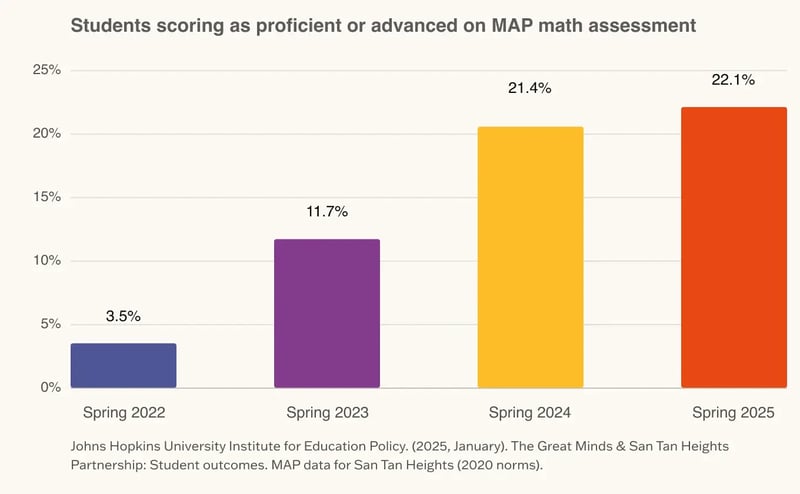
18.6
Percentage Points of Growth in Math Proficiency Over Four Years
When Eureka Math² districts implement over multiple years, some experience a consistent increase in students scoring as proficient year over year.

Build Lasting Confidence
That Leads to Real Math Results
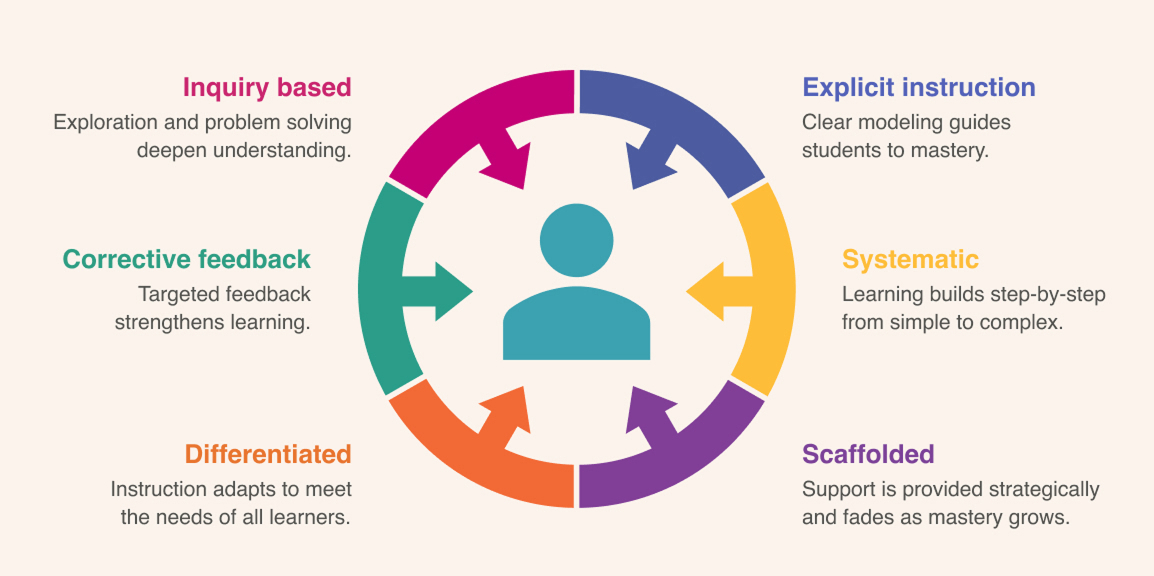
Fragmented curriculum widens proficiency gaps. Eureka Math² connects concepts and mathematical models across lessons and grades, building conceptual understanding, guided inquiry, explicit and systematic fluency, and application.
Coherent and Evidence-Based Math
Make learning stick with a Coherent Design.
Connected Concepts
Math concepts connect intentionally across lessons and grades, building long-term understanding, not just short-term answers.
Mathematical Language Routines
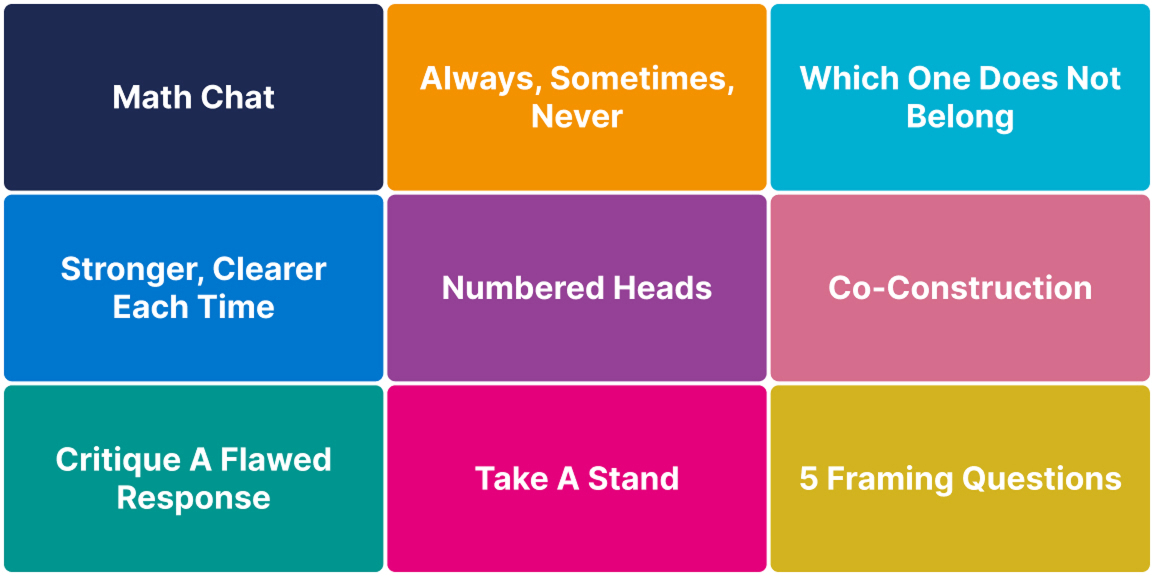
Integrated mathematical language routines promote discourse support sense-making, and build meta-awareness.
Coherent Models and Strategies

High-leverage models remain consistent across grades, helping students even as the units and calculations grow more complex.
Full Year Pacing
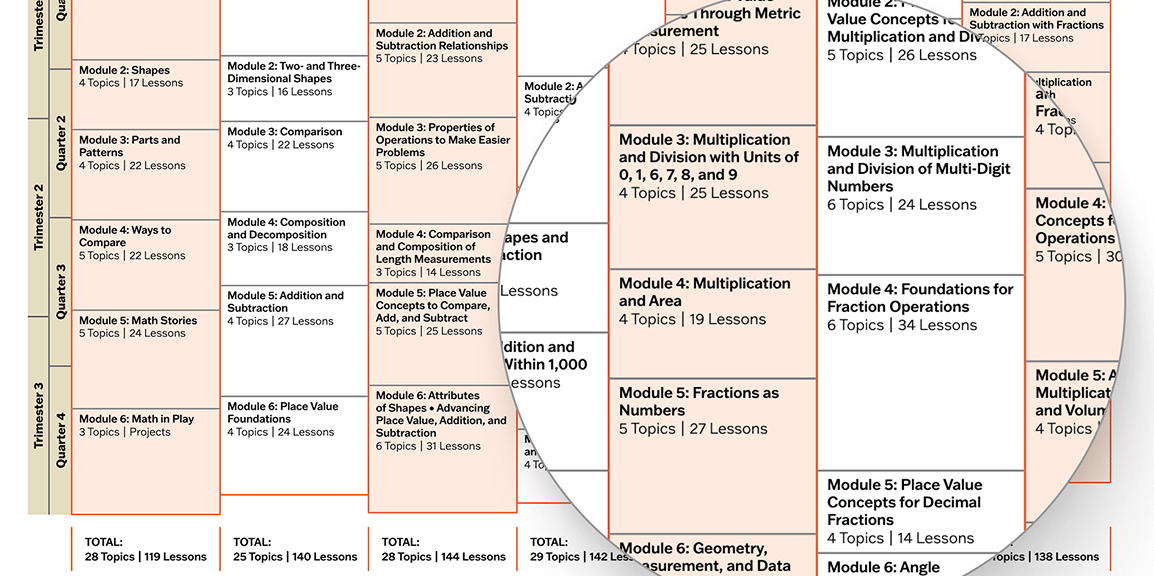
Modules and grades build on one another over the course of the year. This spiraling curriculum helps students build, revisit, and retain knowledge over time.
Student Engagement and Growth Mindset
Build Rich Understanding with Cognitive Engagement
Student Discourse
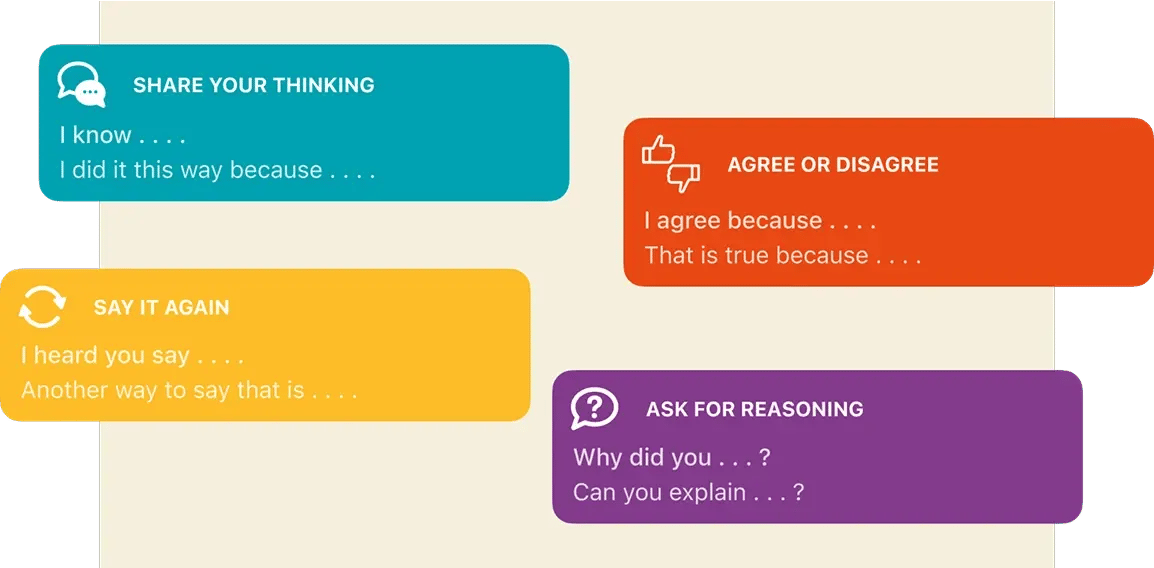
Digital Tools

Data Literacy
.png?width=1180&length=1180&name=Rectangle%2063%20(1).png)
Teachers can facilitate constructive engagement through collaborative activities such as Data Talks and Data Investigations, which provide open-ended tasks that encourage productive struggle.
Differentiation, Multilingual Learners, and Intervention
Foster a classroom culture that instills Confident Learning
Scaffolded Instruction

The Universal Design for Learning (UDL) framework is foundational to the embedded supports for all learners. Eureka Math² is the only math curriculum to receive a CAST UDL Product Certification.
Multilingual Learners

All learners engage in rich discourse in Eureka Math² and engage with multimodal vocabulary support. The multilingual learner supports are endorsed by English Learners Success Forum (ELSF).
Response to Intervention (RtI)
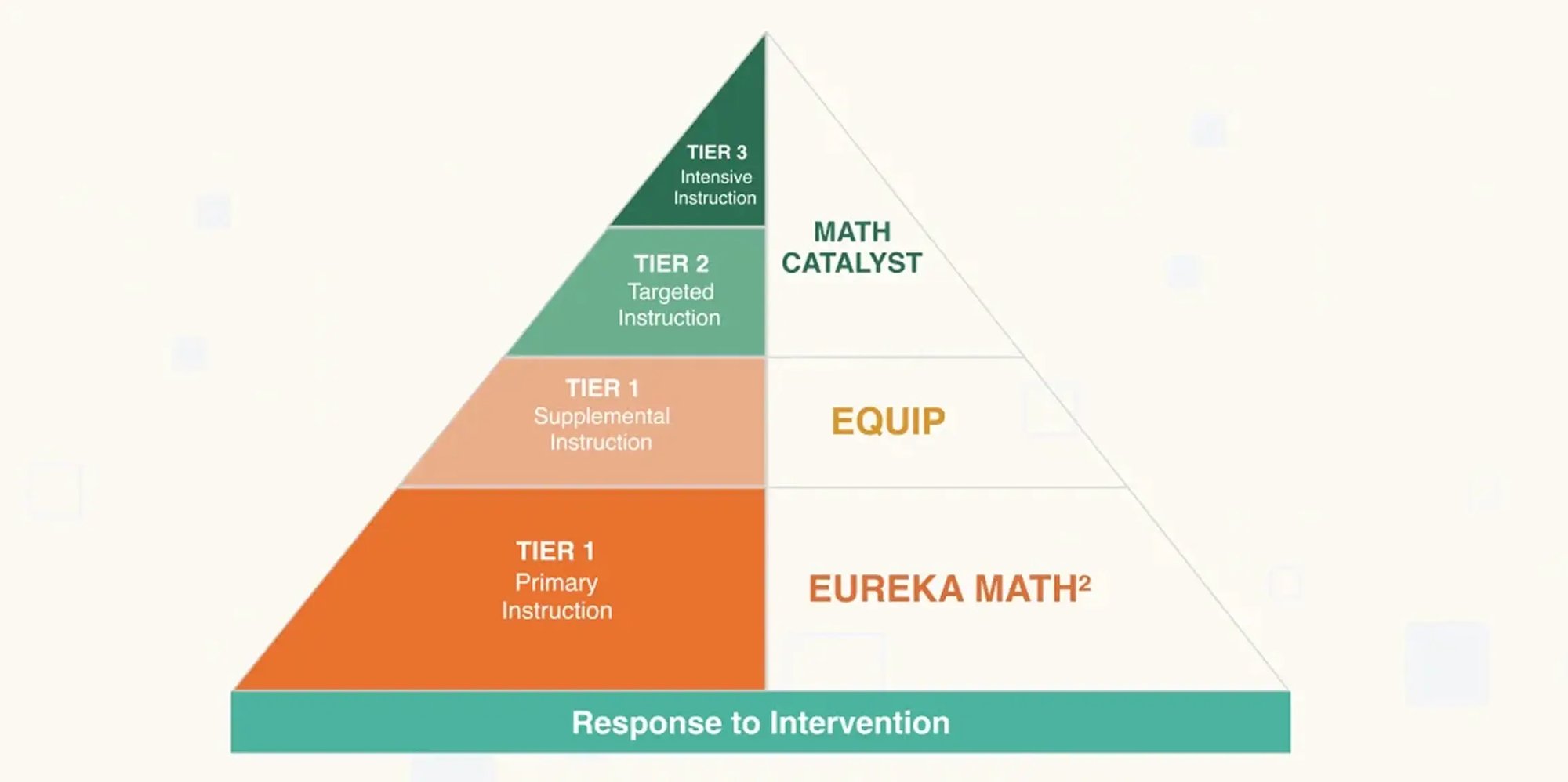
Intervention and extension opportunities are available in Pathways to Mastery™, a flexible solution that delivers assessment data and remediation activities to address prerequisite skills gaps, foundational skills, and cumulative proficiency.


Explore the Curriculum
The best way to understand Eureka Math² is to experience it. Browse materials, assessments, and digital resources, so you decide what matters most to your school or district.



Professional Learning
That Grows With You
Through workshops, coaching, consulting, and on-demand tools, we help teachers deepen their practice, strengthen lesson execution, and build sustainable systems for growth. Every partnership is tailored to a district’s evolving needs—whether launching a new program or refining established practices—with one shared goal: lasting success for teachers and students.


Through an integration with Renaissance Next®, Renaissance Intelligence®, Eureka Math² lesson and intervention content is recommended and linked from Star Math® Assessment data.
Explore More
Discover more information and share resources about Eureka Math².

What Student-Centered Math Looks Like
Watch how Eureka Math² supports teachers in making math meaningful by helping students build lasting knowledge, develop a positive relationship with math, and gain the confidence to tackle complex problems.

Everything You Need to Know About Eureka Math²
Get a look at the program’s instructional approach, lesson structure, differentiation tools, assessment systems, and professional learning support for teachers.

The Research Behind the Results
Explore the research that shaped Eureka Math²—from cognitive load theory and learning trajectories to productive struggle, UDL, and assessment design.
