


Arts & Letters—K–8 Literacy Curriculum
Helping students read fluently and understand deeply through one coherent system.
Arts & Letters™ combines knowledge-building instruction with explicit foundational skills, creating a coherent literacy system that helps students read fluently and understand deeply while giving teachers a consistent, research-aligned path for instruction.

Independently Reviewed.
Evidence-Backed.
Rated all green on EdReports, Arts & Letters™: Language Arts has been praised for its instructional rigor, coherence, and standards-based approach.

Strong Literacy Outcomes Require Knowledge Building and Foundational Skills.
Improving K–8 literacy outcomes requires students to develop strong foundational skills in the early grades while building knowledge, vocabulary, and comprehension across all grades. Districts are searching for an evidence-based literacy curriculum that aligns instruction, supports teachers, and delivers strong outcomes across classrooms.
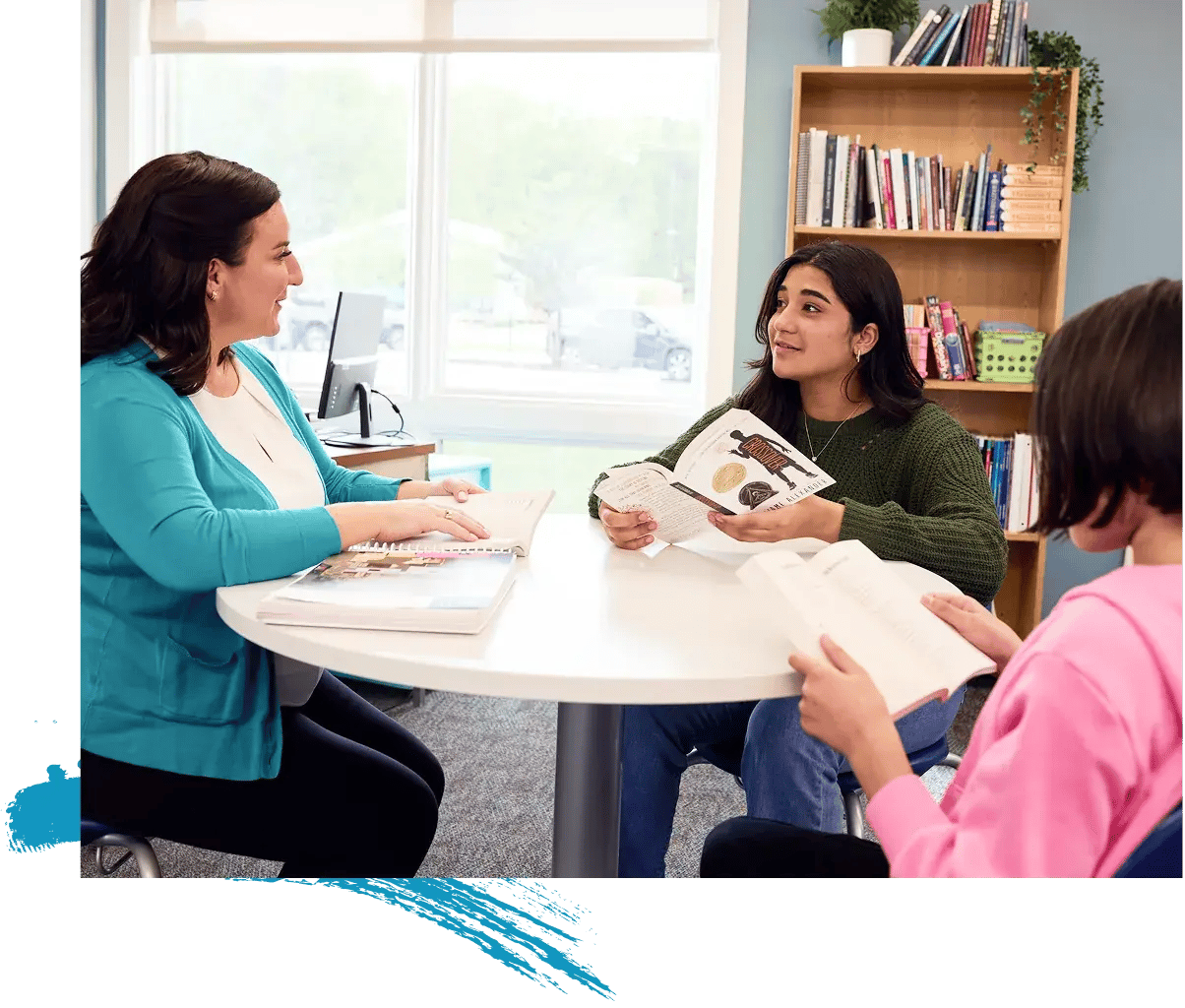
A Complete Literacy System, Built for How Students Actually Learn
Arts & Letters is a comprehensive K–8 literacy curriculum that helps districts develop skilled readers through a coherent, Science of Reading–based approach. Aligned grade-level instruction, clear teaching structures, and professional learning guidance give districts a research-backed system built for confident implementation.
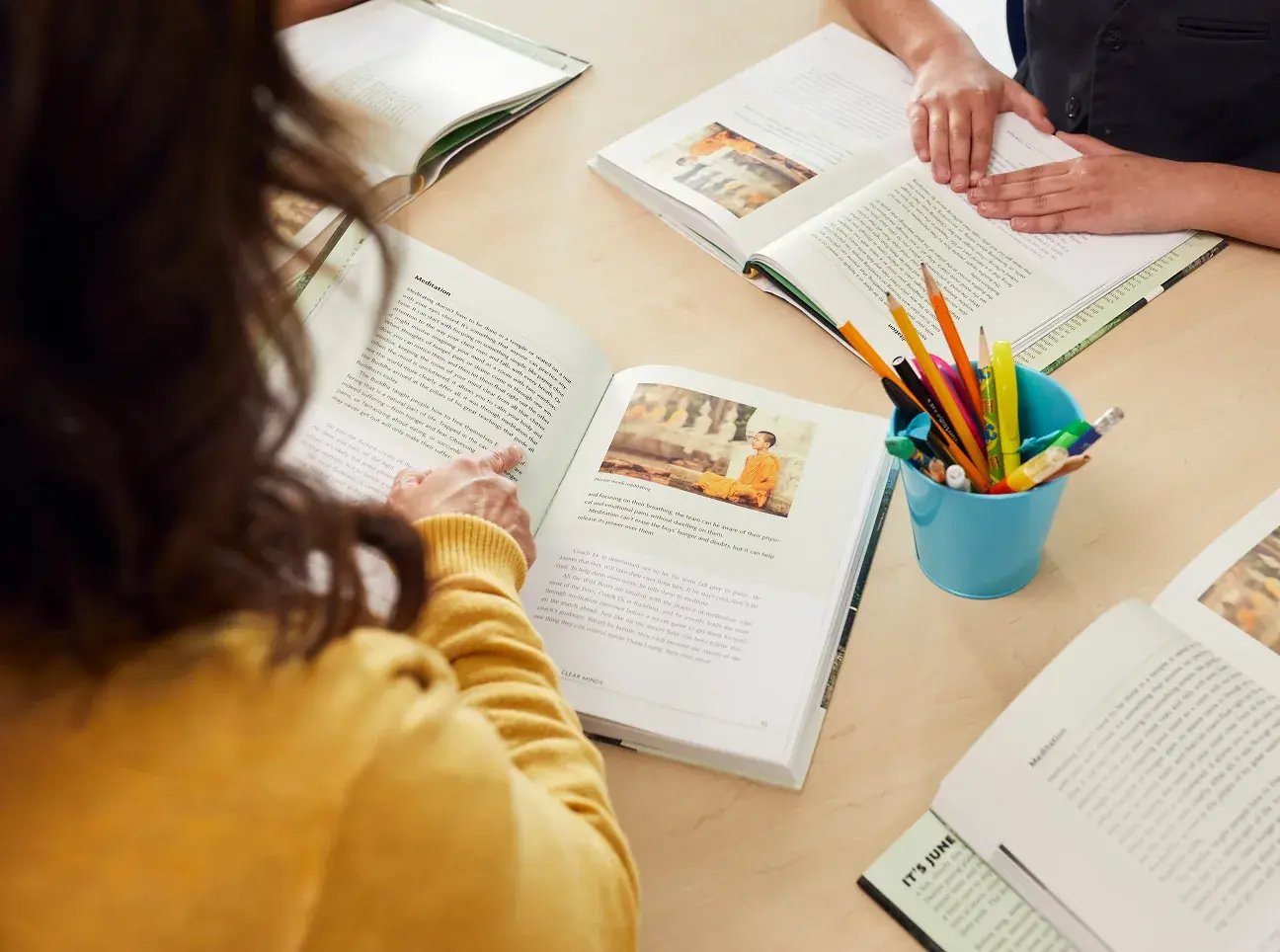

Curriculum Overview
Explore how every element of Arts & Letters, from lesson structure to curriculum components, is designed to support diverse classroom needs and maximize instructional time.
Whole Books for Real Growth
Rich texts and meaningful topics turn reading into lasting knowledge.
Full Books, Meaningful Topics

Students build vocabulary and background knowledge that strengthen comprehension. Teachers have engaging content that drives discussion and writing.
Reading, Writing, and Discussion

Literacy skills grow through meaningful use. Students do purposeful work as they gain a deeper understanding of complex texts.
Cumulative Knowledge Across Grades

Learning becomes enduring and transferable so administrators see strong long-term literacy outcomes.

Skills Strengthened Through Knowledge Building
Skills, writing, and vocabulary develop through the same content students are already learning.
Purposeful Skill Practice
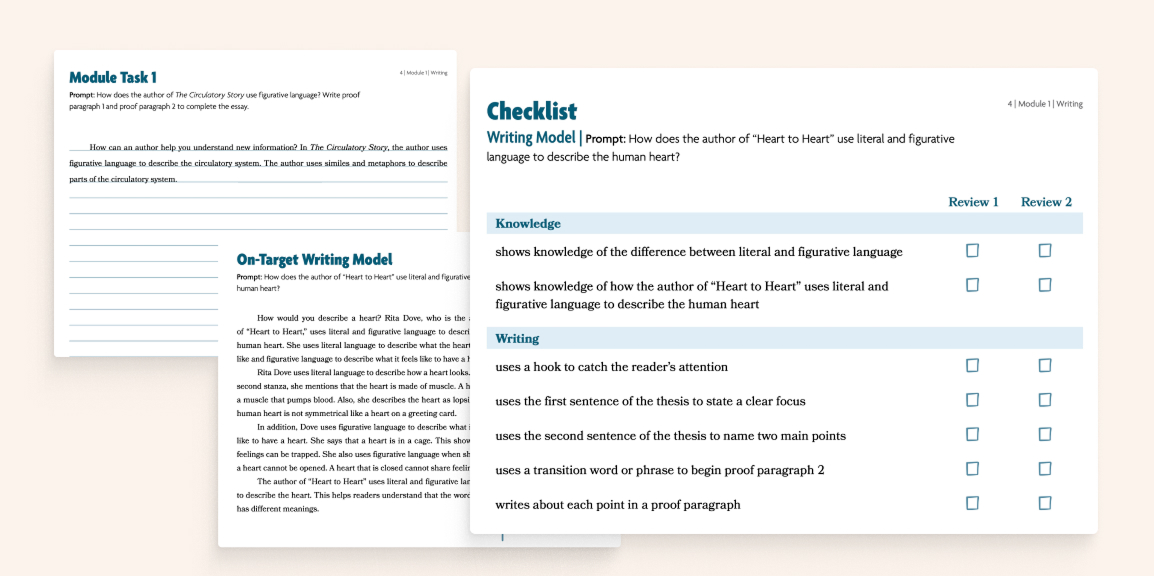
Skills are developed together through meaningful content, strengthening comprehension and communication. Administrators can see that skills development directly supports comprehension.
Foundational Skills, Aligned Reading

Students are reading in Grades K–5, with Decodables that reinforce each skill as it's taught. Teachers have clear, purposeful instruction that applies immediately in the classroom.
Writing, Vocabulary, and Language
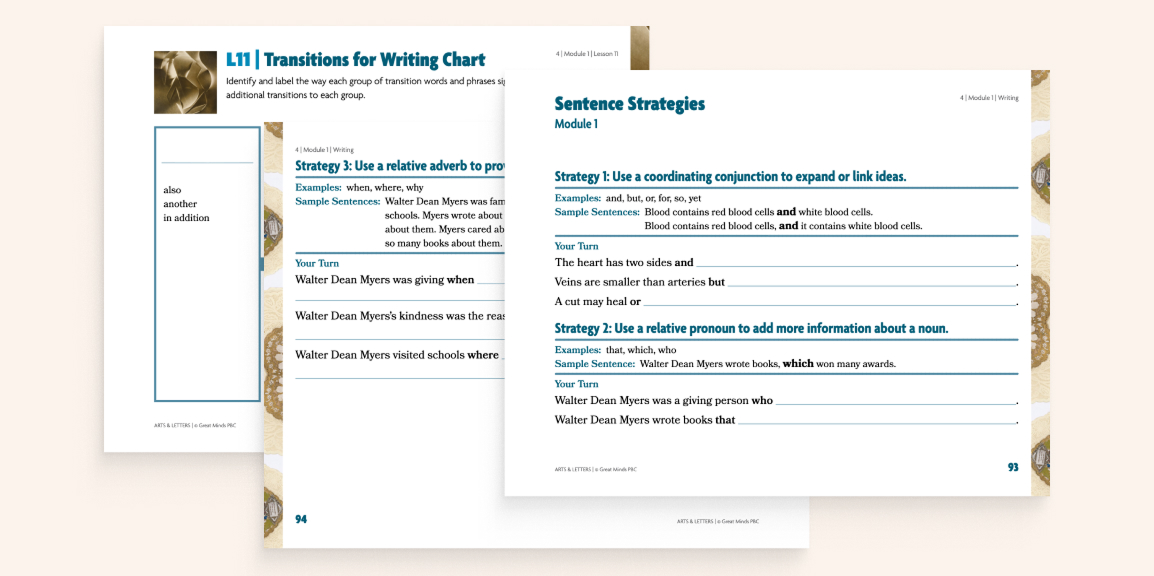
When skills are practiced in context, they strengthen expression and comprehension. Students are prepared for high-stakes assessments and success across reading and writing.

Differentiation from the Start
Every student can access grade-level work with scaffolds, routines, and assessment tools already built in.
Built-In Scaffolds and Language Support
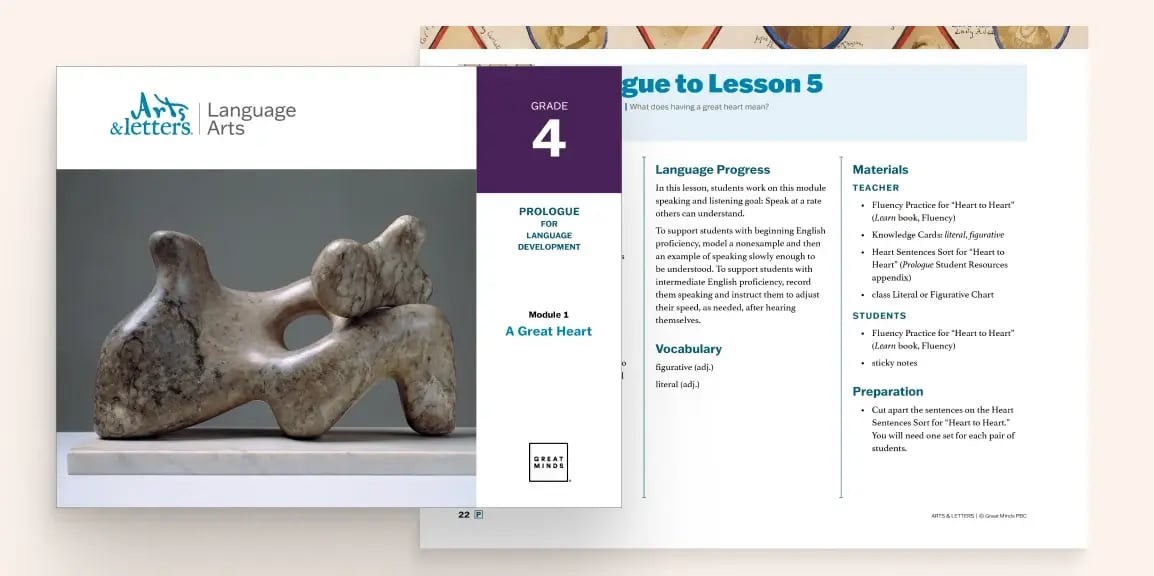
Supports like Prologue for Language Development help frontload key context and vocabulary before students encounter grade-level texts, so every student can access the material and participate fully.
Instructional Routines

Students build knowledge and skills through consistent routines so that teachers have more time to focus on instruction.
Embedded Assessment
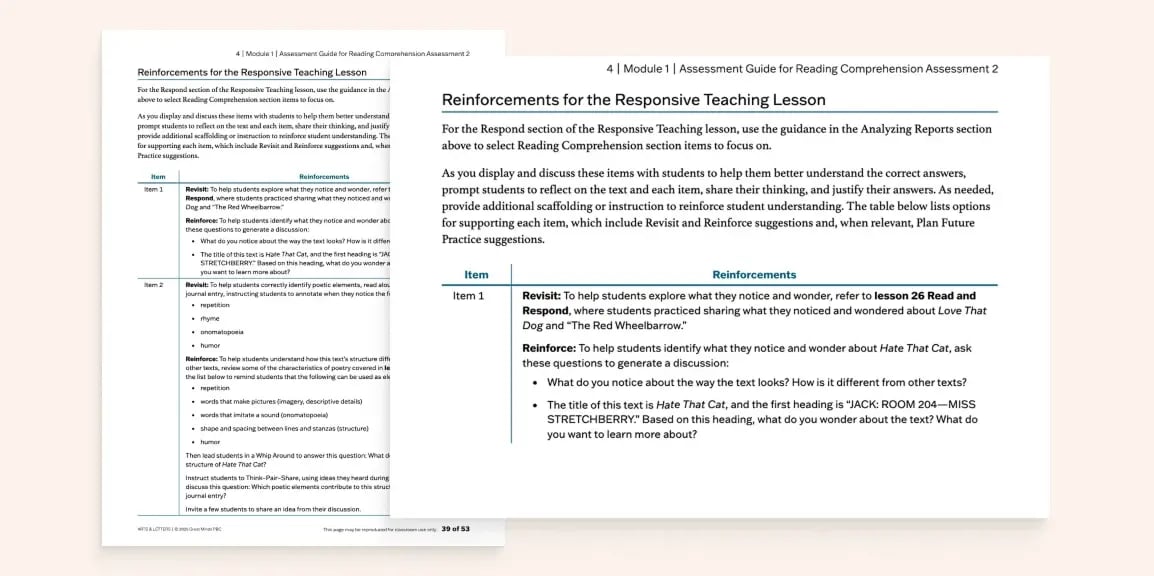
Teachers gather evidence and respond to student needs in real time without disrupting instruction.
Multilingual Learner Overview
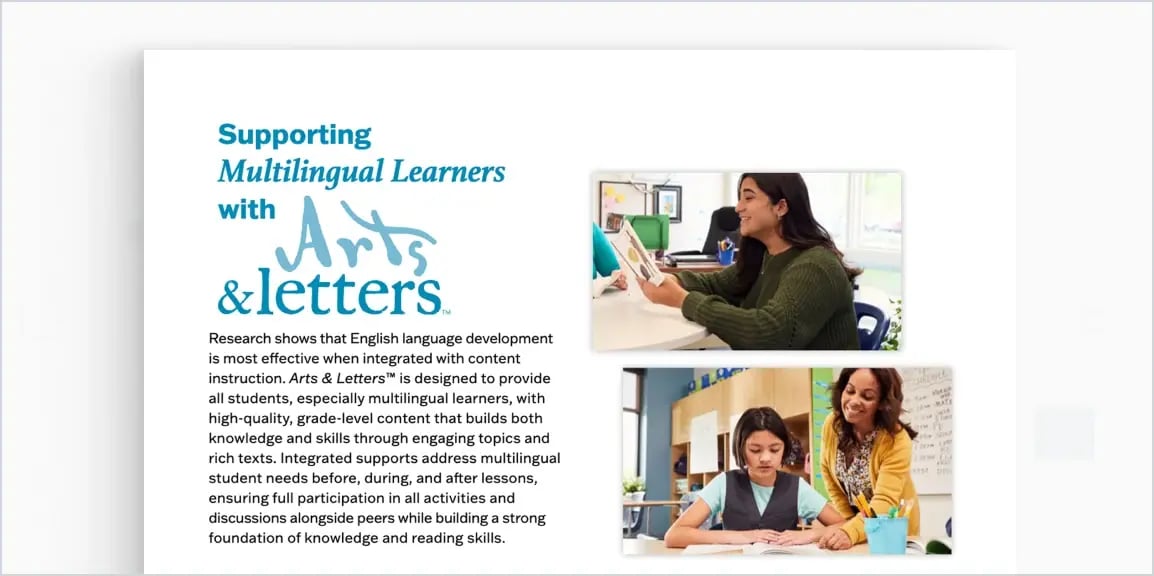
Differentiation shouldn't be an afterthought. See how Arts & Letters builds support for multilingual learners.





Support That Grows With You
Through workshops, coaching, consulting, and on-demand tools, we help teachers deepen their practice, strengthen lesson execution, and build sustainable systems for growth. Every partnership is tailored to a district's evolving needs—whether launching a new program or refining established practices—with one shared goal: lasting success for teachers and students.
Tools That Strengthen the System
Arts & Letters pairs embedded formative and summative assessments with Magpie Literacy™ digital practice, giving teachers a clear view of student progress and the data they need to make smart small-group instruction decisions.

Magpie Literacy
Digital practice strengthens foundational skills through aligned, meaningful work. A validated screener provides actionable insights without interrupting instruction.

Embedded Assessment
Arts & Letters assessments offer a variety of formative and summative strategies that support and measure student learning.
Continue Learning
Explore resources designed to support the use of Arts & Letters.

Language Arts Trade Books and Fine Art List
Explore the full range of authentic texts and full books that students read across modules and grade levels in Arts & Letters.

Reading Foundations Skills Scope & Sequence
See how foundational skills develop systematically across grades K–5 in Arts & Letters: Reading Foundations.

Magpie Literacy Overview
Learn how Magpie Literacy’s digital practice tool reinforces phonics and fluency while giving teachers actionable insights into student progress.
